Sign the dealbefore you pull cable.

Room-by-room proposals with live supplier pricing and visible margins, sent to the client portal for e-signature and Stripe deposit. Bob the AI drafts the quote from a verbal brief, shipping 1 June 2026.

Your proposal is allthey see.

Your clients don't know your wiring standards. They haven't seen your rack builds. They haven't experienced your installs yet. The only thing they have is the document you put in front of them.

Messy

Expectations drop before you've said a word.

Confusing

Trust erodes and the client shops around.

Generic

You blend in with every other integrator quoting the job.

Invisible margins

You find out you lost money after the install is done.

Branded.Priced live.Signed and paid.

The product surface integrators ask about first, and the fastest way to turn a verbal brief into a signed proposal with the deposit on the balance sheet the same afternoon.

Branded templates

Custom templates designed during onboarding. Logo, colours, layout, signature blocks, section ordering. Maintain multiple templates for residential integration, commercial install, service-only, design-only. Looks like a document from your business, not a document from ours.

Live supplier pricing

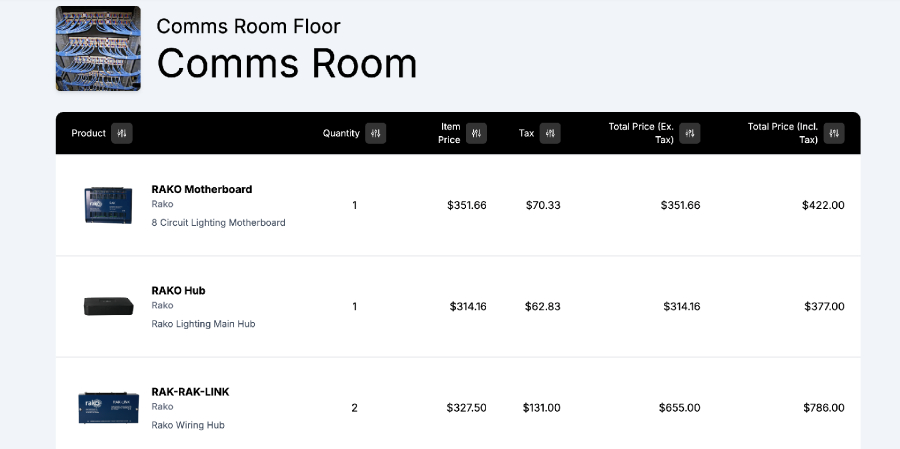
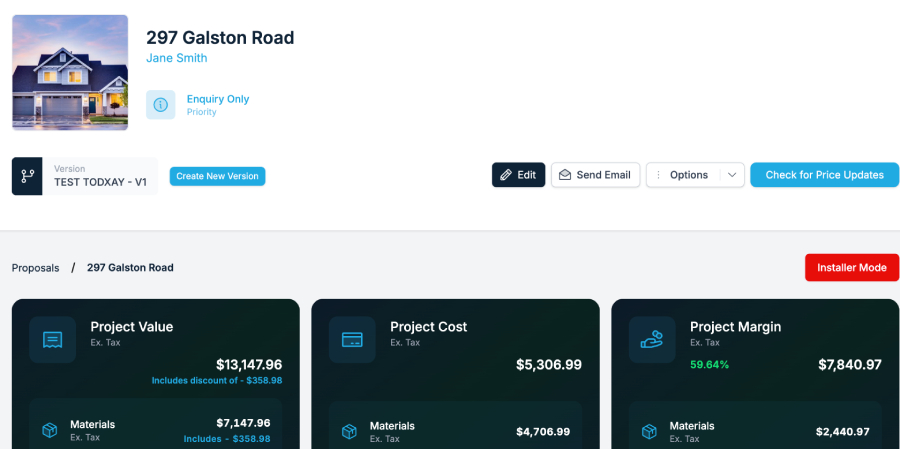
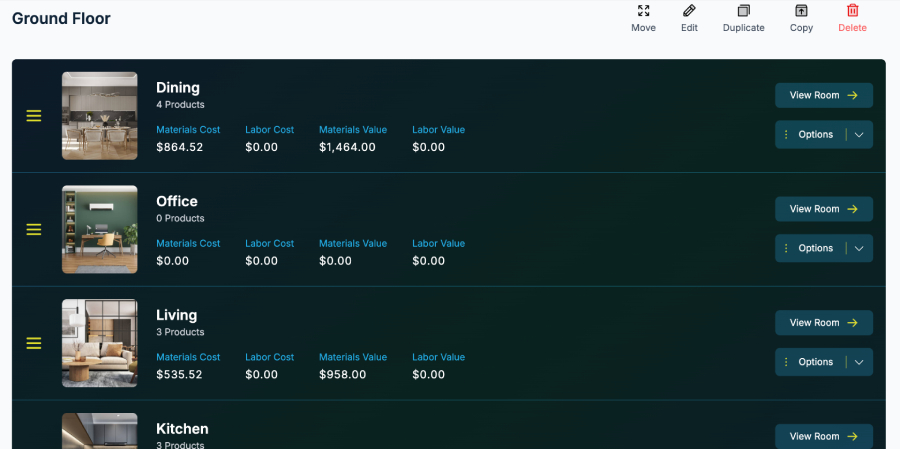
Pull products, pricing, and product imagery directly from connected supplier catalogues. Margins update on every line as you build. See your number before the proposal leaves your desk, not after the install is signed off.

Auto-generated schedules

Cable schedules, network maps, wiring schematics, all auto-generated from the product list. Sherpa-compatible. Update a line, the schedule updates with it. No drawing the cable schedule by hand at the end of the night.

Bob drafts the quote

Coming 1 June 2026. Tell Bob the AI what the client wants in plain English. Bob pulls the right products from your supplier catalogue, structures the proposal room by room, applies your pricing and margin rules, and hands you a draft to review. Twenty minutes from brief to client-ready. You review, you tweak, you send: Bob never sends without your approval.

E-signature + Stripe deposit

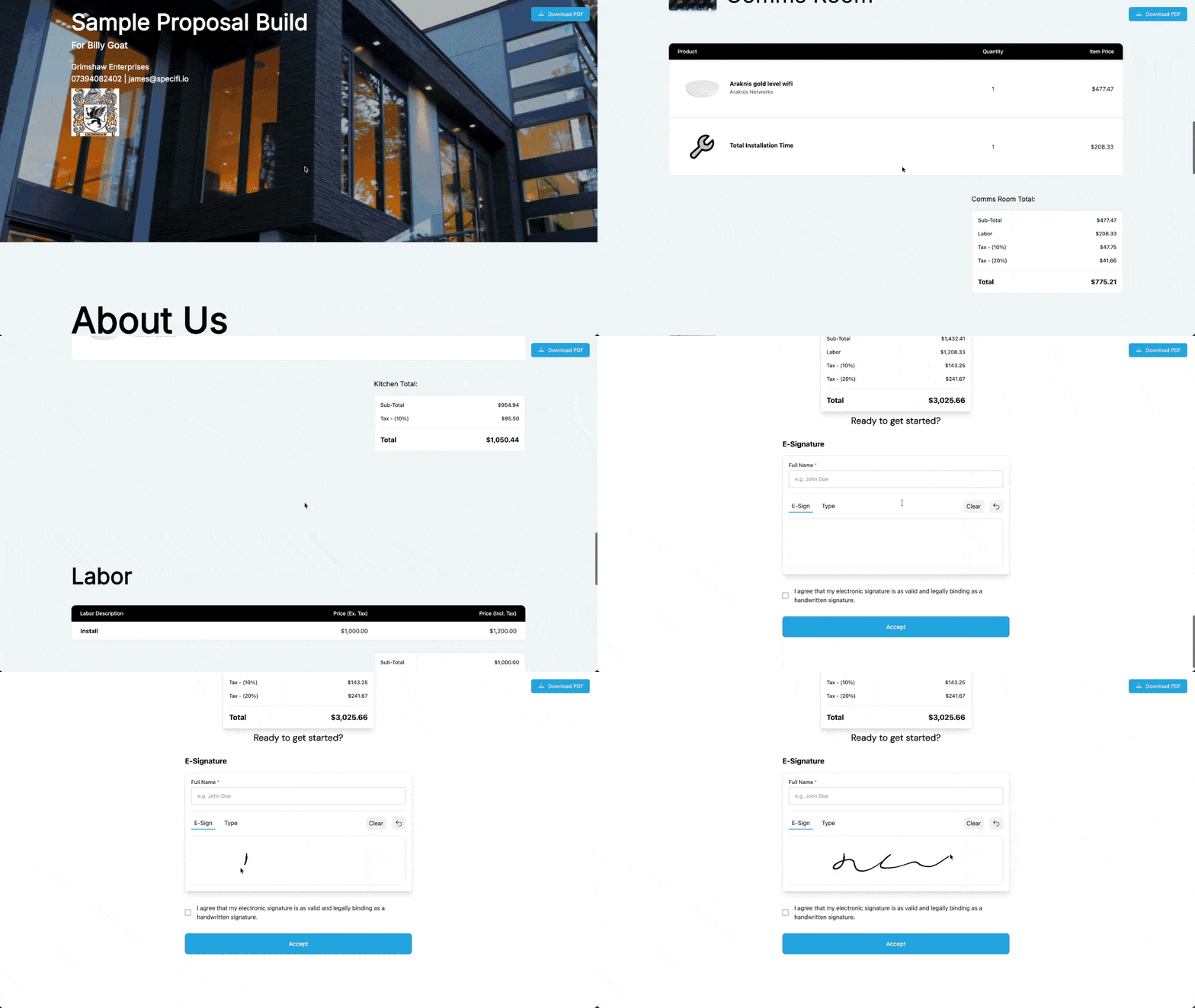
Clients sign in-browser from any device. After signature the proposal converts to an invoice and a Stripe pay-now link goes out for the deposit. Sign, then pay, in the same client journey. Signed proposals spin up as live projects automatically; supplier purchase orders raised the same afternoon.

Open tracking

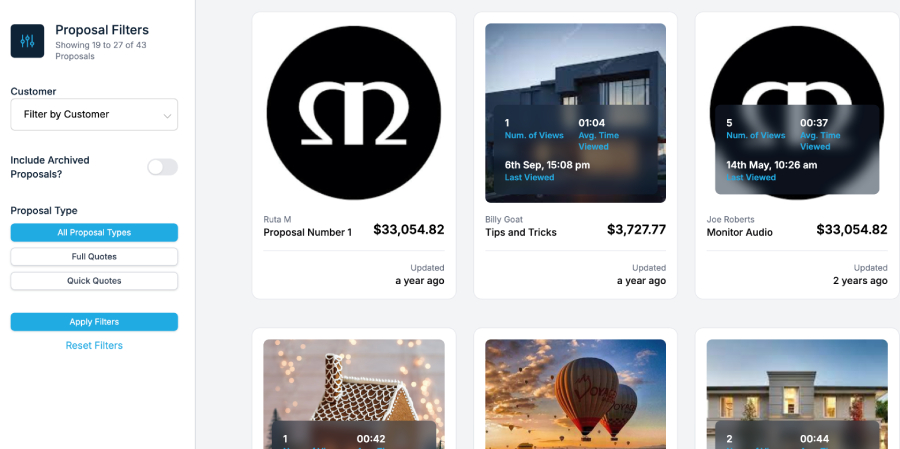
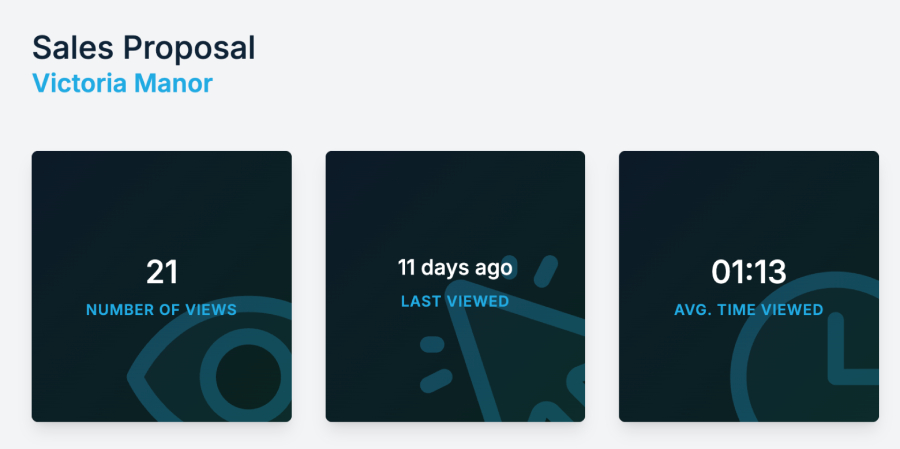
See when the client opens the proposal, how long they spend on each section, and whether they forwarded it to a partner or a builder. Follow up when attention is highest. Stop wondering whether they read it.

Why integratorsmake the switch.

Close faster

Polished, room-by-room proposals close jobs other firms lose to indecision. Most teams report signing in days, not weeks, with the deposit on the balance sheet the same afternoon.

Margins before the install

Live supplier pricing on every line item. Margin visibility before the proposal leaves your desk. No finding out you quoted last quarter's price after the cable is in the wall.

Twenty-minute proposals

From 1 June 2026, Bob the AI turns a verbal brief into a full draft in about twenty minutes. You review, you tweak, you send. The proposal lands in the client's inbox before the next discovery call does.

They switched. Theyhaven't looked back.

Specifi has significantly improved the efficiency of our day-to-day business operations. The software is incredibly easy to use and has helped us create an organised and streamlined setup. Highly recommend.
Miguel AttardDomotica Systems
Our experience with Specifi has been outstanding. Its intuitive interface and high degree of customisation have streamlined our proposal creation process, allowing us to present polished and professional documents tailored to each client's needs. Since implementing them, we have seen a significant increase in proposal acceptance rates.
Cite SolutionsAV integrator
Specifi is an amazing software that literally runs our business operations. From initial proposals, sales and CRM to team and project management, invoicing & generating purchase orders.
James BrownThe Cinema Company

No polish.Just the real product.

Watch how Specifi proposals work in practice. Real interface, real workflows, no scripted demos.

How to create proposals
Room-by-room quoting
E-signature and deposits
Product libraries and pricing

Commonquestions

Contact us
Why do AV integrators need a purpose-built proposal tool?

A generic quoting tool is built around line items and a subtotal. An AV proposal has to carry cable schedules, wiring schematics, floor plans with device locations, labour across trades, and brand-specific product detail pulled from live supplier pricing. A word-processor template loses the first time the client asks "what TV is that?" or "what's the cable run from rack to TV2?". Specifi's proposal engine keeps the supporting artefacts attached to the line items that generate them, so a change to quantity or product automatically flows through the schematic, the schedule, and the price without you rebuilding the pack from scratch.

Can I use my existing templates?

Yes. During onboarding our team rebuilds your templates inside Specifi using your brand, typography, section ordering, and signature blocks. What you send out from Specifi looks like a document from your business, not a document from ours. You can maintain multiple templates for different project types (residential integration, commercial install, service-only, design-only), and templates can be versioned so a legacy template stays available while a new one rolls out to the sales team. Template edits take minutes and do not require a developer.

Which suppliers feed live pricing and product data?

Specifi connects directly to a growing list of major AV distributors and manufacturers for live catalogue, pricing, and product imagery. The integrated catalogue sits at over 600,000 products today and grows as new supplier feeds come online. For brands not yet directly integrated, you can import custom products with your cost, your margin, and your own datasheet imagery; those products then behave exactly like integrated ones inside the proposal. If a specific supplier is critical to your business, ask on the demo and we will confirm current status or prioritise the connection.

How does e-signature work?

Every proposal has a "send for signature" button. The client receives a branded link, clicks through to a read-only view of the proposal in the client portal, and signs in-browser on desktop or mobile. The signed PDF is stored against the deal record, timestamped, IP-logged, and admissible as evidence under UK and US e-signature law. Multi-party signing is supported for projects that need an architect or a builder to countersign before the homeowner. You do not need a separate DocuSign or Adobe Sign subscription.

Can I collect a deposit at signature?

Yes, via Stripe. One workflow note: after signature, the proposal converts to an invoice and the deposit is collected against that invoice. The client experience is sign, then pay. Payment options follow Stripe: card, Apple Pay, Google Pay, and bank transfer where available in the client's region. Larger deposits beyond card-network limits route through ACH or BACS. Specifi doesn't take a cut. Stripe's standard processing fee applies. Once paid, the deal advances and the project is ready to spin up for delivery.

How are change orders handled?

A change order is a versioned revision of the original proposal. When the client requests a scope change after signature, you add the new products, labour, or scope as a delta; Specifi generates a change-order document showing exactly what moved, at what price, with what schedule impact. The client signs the change order in the portal the same way they signed the original. Once signed, the project budget updates, the supplier purchase orders update where relevant, and the invoice schedule recalculates. Unlike most competitors in this space, change orders are included; there is no upgrade tier or add-on to turn them on.

Can clients counter-propose or ask for edits?

Not in the structured back-and-forth flow you might be thinking of. Today the client either accepts the proposal as drafted or emails you to negotiate, and you adjust the proposal and resend. Where this matters most (the homeowner asking for a different model of speaker, the consultant asking to swap a lighting brand, the builder asking for a longer cable run), the change is two clicks: swap the product or adjust the line, the schedule and pricing recalculate, send the new version. The client can compare versions side by side in the client portal before signing. A formal counter-propose flow (clients propose changes through the portal, integrator accepts, rejects, or counters) is a roadmap consideration with no committed date.

Can Bob the AI build a proposal for me?

Coming 1 June 2026. Bob sits inside the proposal builder and takes a brief from you in plain English, verbal or written. Tell Bob "a four-zone Sonos rebuild for a five-bed Surrey house, RadioRA3 lighting, two-way Crestron remotes, structured wiring throughout" and Bob pulls matching products from your supplier catalogue, structures the proposal by floor and room, applies your pricing and margin rules, and hands you a draft to review.

You read it. You swap any product Bob misjudged. You adjust the labour. You send. Bob never sends without your approval. The AI drafts, you review, you sign and send.

Included on every Specifi plan from launch. No AI surcharge, no per-prompt token cost.

What do the proposals actually look like?

Professional, in a way that closes six-figure residential integrations. The base templates are designed by our content team and refined during onboarding to match your brand. Layout options cover a lead page with hero imagery, a scope narrative, a room-by-room product pack, cable schedules and schematics where the project warrants them, labour breakdown, terms and conditions, signature page, and deposit page. Clients comment most often that the proposals feel more like a design book than a quote; that is the point. The visual shape of what you send communicates the quality of what you deliver.

Does it support multi-currency?

Specifi runs in a single currency per account. Supported currencies: GBP, USD, EUR, AUD, NZD, CAD. You set the default when you set up the account. You can change the default later, but the change applies across the whole account: all proposals, invoices, and pricing recalculate in the new currency. There's no per-project override and no way to run two currencies side by side.

What happens after the client signs?

Signing flips the deal to "won" on the CRM pipeline and spins up a project. Products and quantities populate the project's material-list view (ready to draw down from inventory once that module ships on June 1, 2026; in the meantime you can generate purchase order drafts manually from the project and send them to suppliers the way you would today). Labour lines become work orders assignable to technicians. The scheduled deposit invoice sits in a "ready to send" state; if Stripe deposit was enabled, the payment has already landed. The client's portal view refreshes to show "project underway" with the next milestone they can expect to hear about.

What if the client wants to see a paper proposal?

Every proposal generates a print-clean PDF alongside the interactive client-portal version. You can email the PDF, print it, or drop it into a leather folio and hand-deliver it the way high-end residential integrators still do. The PDF carries the same content, same branding, and same pricing as the portal version; signing still happens in the portal (or via a paper counter-sign that your salesperson logs back into Specifi). Analytics ("has the client opened the proposal yet") rely on the portal path, so encourage clients toward the digital signature flow where the deal size justifies it.

Is there a limit on proposals per month or proposal value?

No. The proposal engine is unmetered on every plan. A £5,000 sound-bar install and a £500,000 commercial AV fit-out use the same template system, the same supplier catalog, and the same signature flow. The only difference is how much detail you pack in. There is no per-proposal fee, no per-MB document-storage fee, and no cap on stored proposals or deal volume.

How does this connect to projects, invoicing, and inventory?

End to end. The proposal is the origin record; everything downstream reads from it. Project management pulls the scope, budget, and timeline. Work orders pull the labour. Invoicing pulls the payment schedule. Inventory ( shipping June 1 2026) will pull the materials for stock allocation. Customer portal shows the signed proposal so the client always has the record they agreed to. Change orders update every downstream record automatically. One source of truth, and the "retype into the project management tool" step that most integrators lose two hours a week to simply disappears.

Ready to see it?

30-minute demo. No slides. No fluff.

Explore pricing